
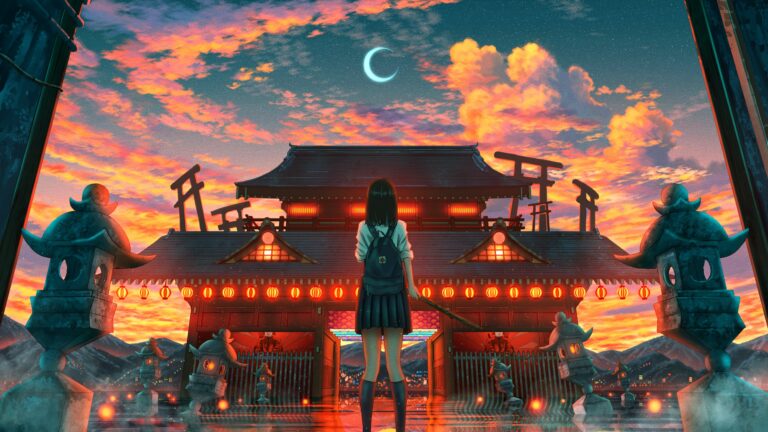
Hello and welcome to Project Nitsuj. There’s nothing more enjoyable than playing a good game and passing it along to your friends to enjoy. Saving them a few bucks and them returning the favor. A good chunk of games that we love today came from our good friends in Japan who were more than happy to share their games with us. However, there were a few games they refused to share with us despite how much we begged and pleaded with them or just didn’t know they had. For one reason or another Japan refused to share these titles with us and missed out on spreading some joy and making a profit. I’m Nitsuj and these are the Top 11 Japan Only Games.
#11. Ace Attorney Investigations 2
It’s fair to say the Ace Attorney franchise has found an audience here in the west. Released on the DS in 2011 and a sequel to the first Investigations game, the game follows fan favorite Miles Edgeworth investigating five murder cases and facing off against judge Verity Gavèlle, a rival character who is part of a “prosecutor purge” that removes weaker prosecutors from duty. The game was made quicker than previous Ace Attorney games which allowed the team to focus more on the story and they delivered as this game is considered the best Edgeworth story. The game would also introduce a new gameplay called Mind Chess which was received positively by fans. Sadly, due to localization costs and sales, the game was never released in the west. However, in 2024 it finally got released in the west as part of the Ace Attorney Investigations Collection which includes the first game, but a solo release was never planned. So if you’re an Ace Attorney fan, find this game and treasure it.
#10. Tobal 2
The first Tobal game is considered a cult classic that paved the way for other fighting games such as Virtua Fighter and Tekken. What most people don’t know is that they made a sequel. Released in 1997 on the PS1, the game sported a huge roster of fighters created by Akira Toriyama to choose from and even had a dungeon-crawling mode for players to take on. Overall, the game was considered superior to the first game and plans for localization were made but cancelled at the last minute for unknown reasons. Many fans have speculated that the reason was due to it not being able to compete against more popular and established titles such as Mortal Kombat and Street Fighter. As well as rising titles such as Tekken which were taking off at the time.
#9. Tales of Rebirth
After the release of the highly acclaimed Tales of Symphonia, The Tales series has become one of Japan’s most popular RPG franchises in other countries. Despite this, many of their games have not been localized and the biggest one to this day is Tales of Rebirth. Released in 2004 on PS2 and again on the PSP in 2008, Tales of Rebirth follows the story of Veigue who accidentally encases his childhood friend in a pillar ice. When he finally gets her out of the pillar, she gets kidnapped and Veigue sets off to rescue her along with two adventurers. The game is regarded as one of the best titles in the series thanks to its strong combat system and emotional story that keeps you hooked. Despite being released on two systems, a localization was never made because of what they believed to be low demand and given how unpopular the PSP was in the west it’s hard to argue with them. Out of all the Tales games that haven’t been localized this one hurts the most.
#8. Kurohyou: Ryuu ga Gotoku Shinshou
The Yakuza/Like a Dragon franchise has had a number of spinoffs over the years. One of their most unknown spinoffs is Kurohyou: Ryuu ga Gotoku Shinshou or Black Panther: Like a Dragon New Chapter when translated. Released on the PSP in 2010, the game follows a street punk named Tatsuya who accidentally kills a member of the Tojo Clan. He then gets forced to fight in an underground tournament called Dragon Heat in order to earn his freedom, but as he progresses through the tournament, he uncovers a yakuza conspiracy and gets caught in the middle of it. Unlike previous games in the franchise, the game focuses on 1-on-1 fights and uses a play style similar to that of Def Jam: Fight for NY while incorporating mechanics from past games such as heat actions, minigames, and even taking on part-time jobs. The game was received well enough in Japan that it spawned a sequel and even had a short-lived television series on TBS. Market differences and the fact that the franchise wasn’t all that popular overseas is what led to them never releasing the game in the west, but fan translations exist online for both games for everyone to see. With how popular the franchise has become over the years and their other spinoffs being well received, I think it might be time to bring these two games over.
#7. Bahamut Lagoon
One of Square’s most forgotten tactical RPGs and one of their best-selling games of all time. Created by the same people who worked on Final Fantasy V and VI, Bahamut Lagoon follows the story of Byuu, leader of the Dragon Squad in the kingdom of Kahna, fighting against the invading Granbelos Empire. The game combined the play styles of Fire Emblem, Final Fantasy and a little bit of Digimon to create a fantastic RPG with great music, stunning graphics, and a solid story from beginning to end. Since it was released near the end of the SNES life cycle, Square opted not to localize it and with the PS1 and N64 around the corner, they decided to focus their attention on another big game they were working on at the time for the next generation. There is a fan translation online and the game did get re-released on the Wii’s virtual console, but only in Japan. So if you have a Japanese account and love RPGs, give this game a try.
#6. King’s Field
FromSoftware’s first game ever. Coming out on the PS1 in 1994 a mere 13 days after the system’s launch, the game holds the honor of being one of the first games released on the PS1 and the first fully 3D first-person game. The game is an action RPG which sees you take control of Jean Alfred Forrester on a quest to find his missing father who disappeared while exploring a dead king’s underground graveyard. It was a short game with only five levels consisting of battles, puzzle solving, and exploration as you weave through each floor and come across dangerous monsters. Since it’s a FromSoftware game you know it’s going to be hard, frustrating, and fun to play. Now many people confuse this game with King’s Field 2 which was released worldwide and re-titled King’s Field in order to avoid confusion. While the other King’s Field games would go on to be localized the original King’s Field has remained in Japan and adapted onto other consoles such as the PS2, PSP, and PC where it got an unofficial fan translation. While the first game has never set foot outside of Japan it lives on through its spiritual successor Demon Souls which served as the predecessor for Dark Souls.
#5. SMT: Devil Summoner
Released on the Sega Saturn in 1995 and again in 2005 on the PSP, this was the very first entry in the Devil Summoner sub‑series of Shin Megami Tensei that would go on to introduce the detective‑noir, urban‑occult style setting and gameplay we see in Soul Hackers and Raidou Kuzunoha games. When the protagonist gets killed by a demon, their soul fuses into the body of Summoner Kyouji Kuzunoha. He now has to investigate the demons popping up in his town and stop the dark summoner responsible for it. Similar to other SMT games, we get dungeon-crawling, turn-based battles, and negotiation with demons to recruit them into the party. The game received positive reviews by fans and critics in Japan with some even giving the game a perfect score for its story, game, music, and difficulty. Plans for localization were made but dropped due to the Saturn’s weak presence in the west and Atlus wanting to focus on later titles such as Soul Hackers. With Atlus finally getting the world recognition it deserves and going back into their vault to remake games, now might be a good time to bring this game to the west.
#4. Fire Emblem: Thracia 776
Once upon a time the whole Fire Emblem series was a Japan only franchise until one man took a chance and included fan favorites Marth and Roy in Smash Bros. Melee which sparked west interest in the series and gave Nintendo the confidence to localize their titles. Since then, Fire Emblem has become Nintendo’s resident RPG series known for their fun combat and engaging stories. However, not all of their titles have been localized such as Thracia 776. Released on the SNES in 1999 and a sequel set years after the events of Fire Emblem: Genealogy of the Holy War, we follow a young prince named Leif as he rallies a private army in an attempt to defeat the ruling Granvale Empire and restore his lost kingdom of Thracia. The gameplay follows previous games but with added elements such as a fatigue system where characters lose energy with each performed action. The game was received positively by critics but is considered the most brutal game in the series for its difficulty. The fatigue system made some units unusable in the next chapter, enemies had high hit rates, and they could spawn and attack in the same turn. The AI for enemy staff users was ruthless and would target your most vulnerable units from a huge range. Some objectives were unclear in the maps and focused more on the players escaping rather than fighting. You were constantly outnumbered, under-equipped, under-leveled, and Lief was weak even by normal series standards. He doesn’t get promoted until late in the game and he has to be the last one to escape the map which means he’s always at risk of dying or you’ll lose good units. This is a game that wants you to learn by suffering and show the realistic brutality of war. This difficulty along with the game’s release so late into the SNES life cycle is why the game was never localized.
#3. Policenauts
One of the early works of the legendary Hideo Kojima. Released in 1994 on the PC-9821 and ported to the 3DO, PS1 and Sega Saturn, the sci-fi noir adventure follows ex-astronaut detective Jonathan Ingram investigating his ex-wife’s murder. It’s a point and click visual novel game that was praised for its stunning animation at the time, strong voice acting, and engrossing story and setting that features the Kojima storytelling and technology we all know and love. While the game was text heavy it was still considered a hit and as Kojima’s popularity rose with the success of the Metal Gear games, fans in the west became interested in the game. An English localization was planned for the Saturn but was cancelled due to technical problems with the translation. It was also considered a niche genre and wouldn’t sell all that well in the west. In 2009 a fan translation was made for the PS1, but other than that there’s been no word or plans for an official localization.
#2. Jump Ultimate Stars
In 2019, Shonen Jump released Jump Force, a fighting game that received mixed reviews by fans. This wasn’t their first fighting game however, as they released another one on the DS called Jump Ultimate Stars. Coming out in late 2006, the fighting game boasted a roster of 56 playable characters (305 total characters) from 41 different mangas including Dragonball, Naruto, One Piece, Bleach, Death Note, Captain Tsubasa, Yu-Gi-Oh, Rurouni Kenshin, Shaman King, Slam Dunk and more. The gameplay was unique as it made you feel like you were writing a manga and using panels to set up the story and characters. The game was considered a massive hit in Japan. Regarded as one of the best crossover games ever. Sadly, due to international licensing issues the game was never localized, but there is a fan translation out there for everyone to see. With over 40 different manga series, securing international rights to all of them would have been financially and legally impossible. I’m getting nightmares just thinking about the process.
And number one. . .
#1. Mother 3
Considered by many to be one of the greatest JRPGs of all time, Mother 3 captured the hearts of many with its emotional storytelling, engaging combat system, memorable characters, great music, and superb graphics that have stood the test of time. Released on the GBA in 2006, Mother 3 follows the story of Lucas whose peaceful life is destroyed when his village is attacked by the mysterious and evil Pigmask Army. With his mother dead and his twin brother missing, Lucas sets off on a journey to stop the Pigmask Army from taking over the world and see if he can hopefully find his brother. What starts off as a simple family tragedy slowly evolves into commentary on grief, modernization, manipulation, and the end of the world. For years fans have cried out for the localization of the game. There’s been videos dissecting its story, exploring the characters and themes, playthroughs, and players sharing their own experience from playing the game. Fans have even gone as far as creating a fan translation of this massive game which took them 2 years to complete, had over a dozen people working on it, and included 1,000 pages of text they had to revise and translate. All while having to constantly worry if Nintendo of America (who were fully aware of what they were doing) would come in and shut the project down. Unfortunately, Nintendo has announced no plans to localize this game citing controversial themes and an expensive workload as the reasons for not localizing the game and making it a Japan-only game that can now be played on the Switch if you have a Japanese account.
And that’s my list. Know any other games only available in Japan? Let me know in the comments below. Thanks for reading and join me next week as I countdown the Top 11 American-Only games. I’ll see you next time on Project Nitsuj.
